AcuteFirearms Monthly Blogs

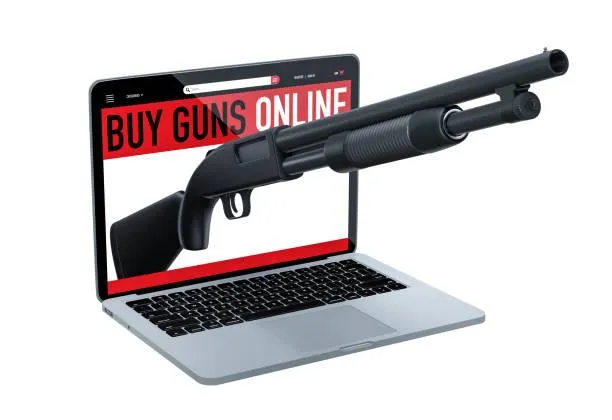


Budget-Friendly Firearm Options
Budget-Friendly Firearm Options: Balancing Cost, Quality, and Reliability!
Buying a firearm doesn't have to mean buying the most expensive model on the shelf. Whether you're a first-time buyer, a recreational shooter, or someone looking for a dependable option within a set budget, there are many affordable firearms that offer solid performance and reliability.
The key is to focus on quality, intended use, and long-term value rather than simply choosing the lowest-priced option.
Determine Your Purpose
Before comparing prices, think about why you're purchasing a firearm. Different needs may call for different features.
Common purposes include:
Recreational target shooting
Hunting (where permitted and appropriate)
Competitive shooting
Collecting historical or sporting firearms
Understanding your intended use can help narrow your options and prevent spending money on features you may not need.
Look for Proven Reliability
A lower price shouldn't mean sacrificing dependability. When evaluating a firearm, consider factors such as:
Reputation for reliability
Build quality and materials
Ease of maintenance
Availability of replacement parts
Manufacturer warranty
Reading reviews from reputable publications and consulting knowledgeable staff at your local firearm retailer can help you make an informed decision.
Consider the Total Cost of Ownership
The purchase price is only one part of the overall cost. New firearm owners should also budget for:
Secure storage
Eye and hearing protection
Cleaning and maintenance supplies
Training and range fees
Any permits or licensing that may be required in your jurisdiction
Thinking about these expenses ahead of time can help you plan your budget more effectively.
New vs. Used Firearms
A quality used firearm can provide excellent value when purchased from a reputable dealer. Many retailers inspect used inventory before offering it for sale and may even include limited warranties.
Before purchasing a used firearm, ask questions about its condition, maintenance history, and any available inspection documentation.
Don't Overlook Entry-Level Models
Many manufacturers offer entry-level product lines designed to provide dependable performance at a more accessible price point. These models often include the core features most owners need without premium finishes or specialized upgrades.
For many buyers, an entry-level model may be a practical choice that leaves room in the budget for training and safety equipment.
Invest in Training
One of the best investments any firearm owner can make isn't necessarily the firearm itself—it's education.
Professional instruction can help you:
Learn safe handling practices
Build confidence
Improve accuracy
Develop good habits from the beginning
Training often provides greater long-term value than purchasing additional accessories right away.
Prioritize Safe Storage
Responsible ownership includes storing firearms securely when they are not in use. Choosing an appropriate storage solution helps reduce the risk of unauthorized access and protects your investment.
When planning your budget, include the cost of secure storage alongside the firearm itself.
Ask Questions Before You Buy
A reputable firearm retailer can help explain differences between models, discuss available warranties, and answer questions about maintenance, accessories, and applicable laws.
Taking the time to compare options and ask informed questions can help you choose a firearm that fits both your needs and your budget.

What our Customer are Saying
Frequently Asked Questions
How often should I get my Firearm serviced & Cleaned?
Regular maintenance is crucial; typically every 6 months or 5,000 to 7,500 miles.
What is included in a standard Service & Cleaning?
It involves replacing spark plugs, filters, and checking ignition and fuel systems.
How do I know if my brakes need replacing?
Look for signs like squealing noises or increased stopping distances.
What should I do if my check engine light comes on?
It's a warning; bring your car in for diagnostics to identify the issue promptly.
Can you service hybrid or electric vehicles?
Yes, we specialize in servicing hybrid and electric vehicles to maintain their efficiency.
Get reliable and expert advice for all your sporting goods needs. Our mission is to ensure every customer receives excellent customer service. Our specialists prioritize your needs with quality and affordable solutions.
Newsletter
Subscribe To Our Newsletter


